U.S. Budget Deficit Nears $2 Trillion in 2026, Third-Highest on Record
The U.S. budget deficit surged to $1.992 trillion for fiscal 2026, a 12% increase, as Social Security, Medicare, and debt interest climbed further.
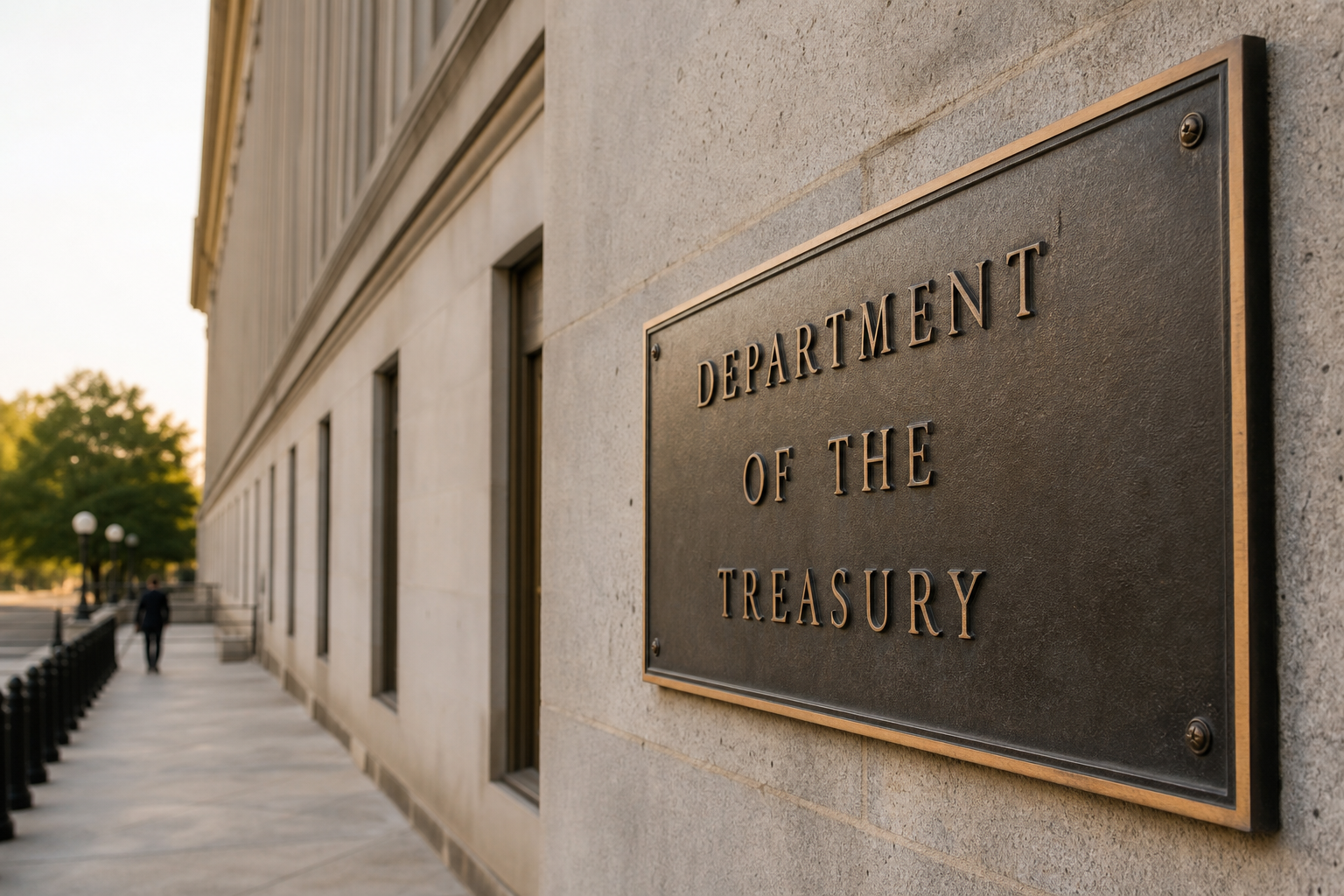
The U.S. federal budget deficit expanded to $1.992 trillion for the 2026 fiscal year, according to Treasury Department data cited by CNBC. This represents a 12% increase over the previous year's $1.775 trillion deficit, putting 2026 as the third largest annual shortfall in U.S. history—surpassed only by the pandemic-affected years of 2020 and 2021.
Major Spending Factors and Revenue Trends
The deficit rose as both revenue and spending hit record highs, but outlays outpaced receipts. Social Security remained the single largest expenditure, at nearly $1.7 trillion for 2026—up modestly from approximately $1.6 trillion the previous year. Medicare, the next largest item, reached almost $1.1 trillion, up from just under $1 trillion in fiscal 2025.
Net interest on the federal debt, calculated as gross interest payments minus interest received, crossed the $1 trillion threshold for the year, increasing from $970 billion in 2025. Gross interest outlays were even higher, with the government spending more than $1.3 trillion in interest on the public debt during fiscal 2026.
On the revenue side, individual income taxes brought in over $2.8 trillion, up around 7% from the prior year. However, corporate income tax receipts declined to $381 billion, roughly $70 billion less than 2025, following the tax cuts from the One Big Beautiful Bill enacted in the previous legislative session.
Fiscal Deficits and Debt: Long-Term Patterns
The latest data mark the 25th consecutive fiscal year that the U.S. government has operated at a deficit; the last budget surplus was in 2001. During this period, the national debt has grown sharply, surpassing $40 trillion earlier in 2026 and more than doubling over the past decade.
The increase in federal debt has influenced financial markets. Bond traders' concerns were reflected in 10-year and 30-year U.S. Treasury yields hitting 24-year highs last week. According to CNBC, the growing federal debt burden is weighing on investors and raising borrowing costs for the government.
Policy, Court Rulings, and Custom Duties
Policy shifts and court decisions have also affected the budget. President Donald Trump's administration emphasized heavy tariffs as a revenue strategy, and the Treasury reported a record for gross customs duties in 2026. However, a Supreme Court ruling earlier in the year found that many Trump-era tariffs were unconstitutional, requiring the Treasury to issue significant refunds to retailers and blunting much of the revenue gain from customs duties.
The Treasury's September 2026 monthly data showed a $27 billion deficit, reversing a $198 billion surplus seen in September 2025.
Forward-Looking Concerns
Moving forward, key areas to watch include:
Bond market: Federal borrowing needs remain substantial, and recent high yields reflect investor scrutiny of fiscal policy. Higher yields tend to raise government borrowing costs and ripple across broader credit markets.
Interest Spending Growth: Net interest payments, now exceeding $1 trillion a year, are rivaling major entitlement program costs and may further constrain discretionary spending if current trends persist.
Revenue and Policy Volatility: The impact of recent tax cuts, court-mandated tariff refunds, and political debates around further changes contribute to year-to-year volatility in revenues and fiscal projections.
Debt Sustainability Debate: As U.S. debt levels break new records, policymakers and analysts continue to debate the long-term risks and what growth, fiscal reforms, or global demand for U.S. debt may mean for future budget flexibility and economic resilience.
According to CNBC, these fiscal and policy factors will frame future budget and debt discussions as the U.S. runs persistent deficits under close market scrutiny.
Source: cnbc.com