South Korea Unveils Record AI and Semiconductor Budget to Boost Tech Leadership
South Korea will sharply increase 2027 spending on AI and chip industries, targeting a sovereign AI model and aiming for nearly $1 trillion in exports.
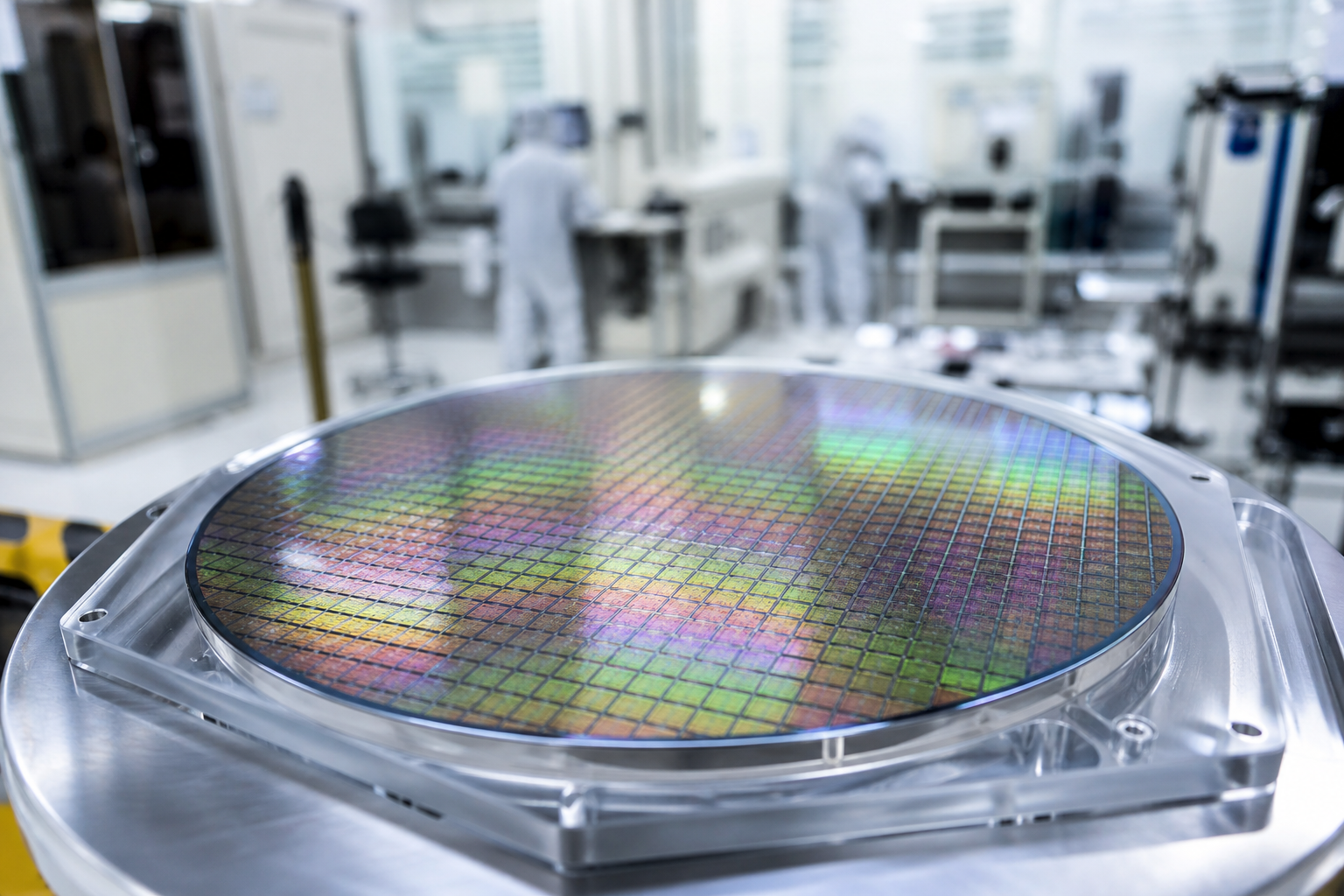
South Korea has announced a sweeping increase in public investment for 2027, with a focus on establishing itself as a global leader in artificial intelligence (AI) and semiconductor manufacturing. President Lee Jae Myung unveiled an 820.9 trillion won budget, the largest in the nation’s history, according to CNBC.
Budget Prioritizes AI, Semiconductors, and Talent
Total government spending is set to rise 12.8% year-on-year, with a substantial allocation of 21.3 trillion won dedicated to semiconductors, physical AI development, and AI data centers—an amount described by CNBC as nearly double the 2026 level. The plan includes a separate allocation of 4.7 trillion won to develop a sovereign AI model that aims to deliver the "world’s highest performance," as stated by President Lee.
The government will also invest in talent development by training 2,000 specialists in semiconductor design and the regional chip industry. This initiative is supported by university "contract departments," which offer company-linked degrees providing pathways to employment at firms such as Samsung Electronics and SK Hynix. These programs are developed in partnership with companies, which help design courses, provide financial support, and actively recruit graduates.
Economic Context and Export Milestones
South Korea’s strategy comes as its economy grows, with the International Monetary Fund forecasting a 3.3% expansion in 2026, the fastest pace since 2021. According to data from the Korea Customs Service cited by CNBC, the country’s exports reached $930 billion in the first 10 months of 2026, surpassing the $900 billion mark for the first time. President Lee noted that South Korea is within reach of $1 trillion in annual exports, with a significant contribution from the semiconductor sector.
The October trade data also indicate a $42.5 billion surplus, with imports rising 36% year-on-year to $72.8 billion. Semiconductor exports, which have driven much of the country’s recent economic growth, are seen as a key enabler for achieving these ambitious targets.
Defense expenditure will also see a significant increase, rising 8.2% to 73.3 trillion won. President Lee stated that the country aims to rapidly transform into a "smart, elite, and powerful military" by adopting AI, robot, and drone technologies, with a hybrid manned and unmanned system.
Strategic Impact: Global Technology Competition
South Korea’s budget acknowledges the intensifying international race for leadership in AI and advanced computing. The investments place Korea in direct competition with other major economies such as the US, EU, and China in securing hardware, data, and algorithmic capabilities. Korean firms Samsung Electronics and SK Hynix continue to act as major players in the global semiconductor supply chain and maintain strategic ties with US AI platform companies.
The magnitude of investment in semiconductor R&D and production could affect global supply and pricing. A credible sovereign AI model emerging from Korea may also alter the commercial and strategic balance in global AI deployment.
Execution, Progress, and Future Milestones
The next phase will hinge on effective project execution and cross-sector collaboration. Developing a sovereign AI model at scale will require not just government funding but also access to large datasets, advanced computing resources, and continued cooperation between academia and industry.
Key milestones to monitor in the coming year include:
- Updates from Korean ministries and participating companies on technical progress in the sovereign AI initiative.
- Indicators of shifting demand or collaboration opportunities between Korean semiconductor firms and US tech companies.
- New milestones in Korea’s export figures, especially in semiconductors, and their effect on global supply chains.
- Changes in export control policies that could impact Korea's access to leading-edge fabrication tools and AI technologies.
Risks include potential overcapacity if industry investment outpaces global demand and challenges in integrating sovereign AI models into large-scale operations. Addressing the global competition for semiconductor and AI talent will also be critical, with Korea’s education and training programs requiring time to demonstrate full impact.
South Korea’s record budget reflects its ambitions for AI and semiconductor leadership, aiming to expand its influence across technology supply chains and international markets. The success of these initiatives will depend on execution, export performance, and conditions in the global technology market.
Source: cnbc.com