Okta Shares Rally in After-Hours Trade on S&P 500 Inclusion
Okta advances in after-hours trading after being named to join the S&P 500. Index inclusion is a key milestone and triggers passive fund buying.
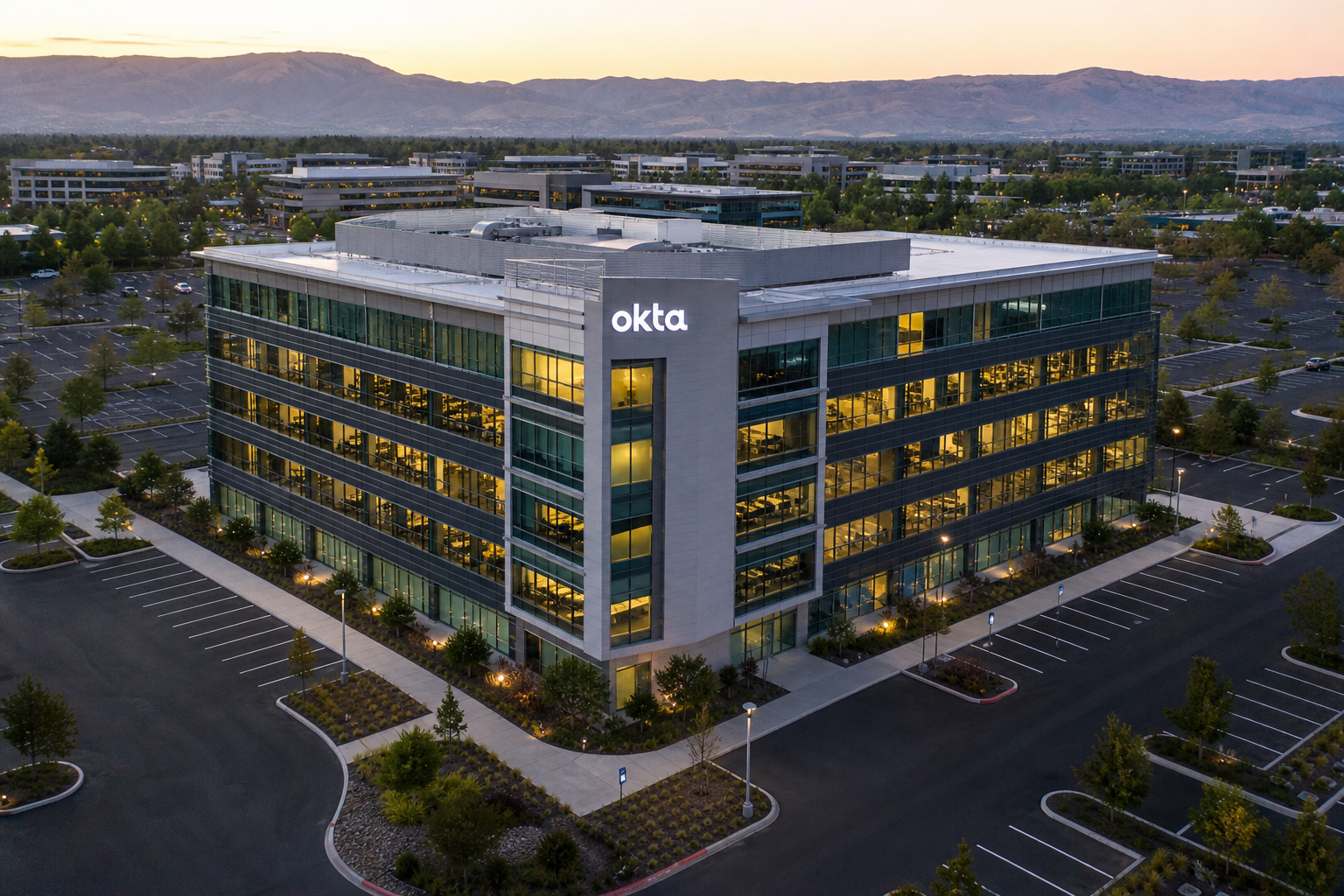
Okta Inc. saw its shares rebound by 2.1% in Friday's after-hours session after S&P Dow Jones Indices announced the identity and access management company would be added to the S&P 500 before the opening bell on November 4. This move, reported by Investing.com, came after Okta had declined more than 6% during the regular trading day, amid a broad selloff in technology stocks.
What Changed: S&P 500 Inclusion
The key driver was S&P Dow Jones Indices’ decision to include Okta in the S&P 500, replacing Kenvue Inc. The change is linked to sector reshuffling prompted by corporate activity—namely, Kenvue’s impending takeover by Kimberly-Clark. As the S&P 500 remains the flagship index for U.S. large-cap equities, any addition prompts attention from investors, especially passive investment vehicles such as index funds and ETFs that align their portfolios to match the index composition.
The immediate effect was increased demand for Okta shares in after-hours trading. Index inclusion typically results in a surge of buy orders from funds tracking the S&P 500, as managers rebalance portfolios to maintain benchmark alignment. The after-hours lift helped Okta partially recover losses from earlier in the day, which had been spurred by a sector-wide downturn in technology equities.
Why It Matters: Institutional Visibility and Flows
Joining the S&P 500 is more than symbolic for companies. It often increases a company’s visibility and can enhance liquidity, as the universe of investors seeking or required to hold S&P 500 constituents expands to include additional index and pension funds. Historically, this has produced upward price pressure around the time of the official entry, although academic research suggests any effect tends to moderate after the initial wave of index-driven buying.
For Okta, the move comes at a time of heightened scrutiny for cybersecurity and digital identity providers. The company’s core platform is positioned as a critical digital gatekeeper for enterprises, and S&P 500 status may enhance its profile further with institutional investors and customers concerned about durability, scale, and balance sheet strength.
Broader Index Ripple Effects
The Okta change triggered a sequence of shifts across S&P’s index family. With Okta’s move, Glaukos Corp., a medical technology firm, is being elevated from the S&P SmallCap 600 to the S&P MidCap 400. In turn, McGrath RentCorp, which provides equipment rental, will fill Glaukos’s spot in the SmallCap 600, and Loar Holdings is being added to the SmallCap 600 after-hours as well. Each of these moves has produced notable after-hours share price adjustments as various funds rebalance to reflect the updated index compositions, a common pattern when index providers announce periodic reshuffles or respond to corporate actions like mergers and acquisitions.
S&P 500 inclusion on November 4
Okta is scheduled to officially join the S&P 500 before market open on November 4, which is when most passive flows typically materialize. Short-term volatility around index inclusion events is not unusual, as traders and funds position ahead of expected passive buying. After the initial surge, performance of new index entrants historically depends on company fundamentals and sector trends, not index mechanics alone.
Investors may also track the broader impact on other companies involved in the shuffle, including Kenvue, Kimberly-Clark, Glaukos, and McGrath RentCorp, as well as the possible effect on sector funds and any further index provider adjustments in response to changes in company size, liquidity, or corporate structure.
Potential risks include mean reversion once the technical pressure from index funds abates, and the possibility that Okta continues to trade in line with sector-wide risk sentiment—particularly given recent volatility in technology equities.
The next major event to watch is the official rebalance on November 4, when index-tracking fund activity will peak and any short-term price distortions will become clearest.
Source: finance.yahoo.com