FDA Reviews Grail's Galleri Cancer Test; Medicare Coverage Depends on Approval
FDA advisers voted 6-4 that Grail's Galleri blood test for 50 cancers is effective and 7-2 that its benefits outweigh risks. FDA approval, expected in early 2027, would open the way to Medicare coverage from 2028.
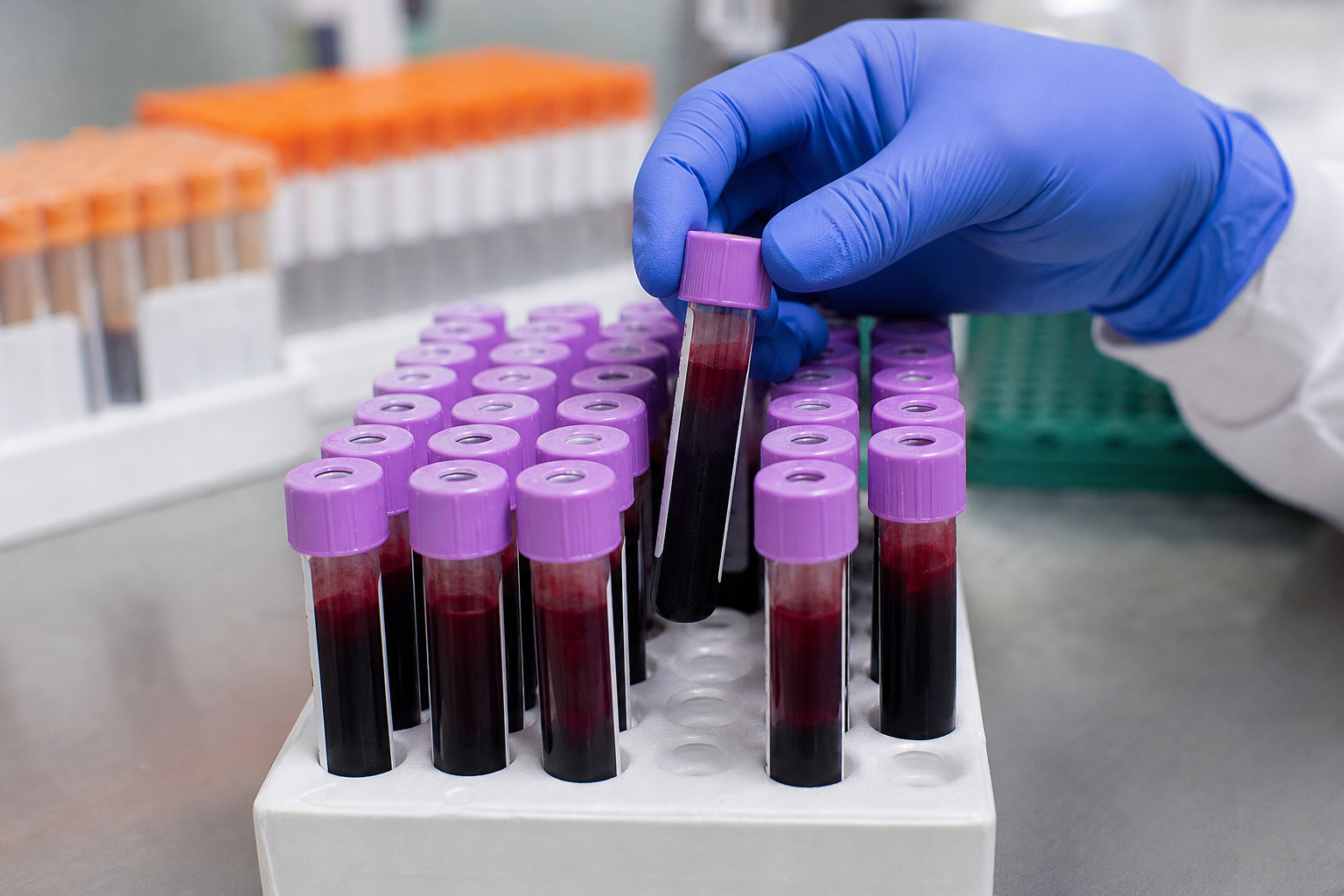
A panel of advisers to the Food and Drug Administration voted on Wednesday, Sept. 23, largely in favor of Galleri, a blood test from Grail (GRAL) that screens for 50 types of cancer. The vote is a key step toward FDA approval, which would in turn open the way for Medicare and most other health insurers to cover the test.
The committee voted 6-4 that the test is effective and 7-2, with one abstention, that its benefits outweigh its risks. Members voted unanimously that the test is safe. The FDA usually considers its advisers' views but is not bound by them. A final decision is expected in the first quarter of 2027.
Grail shares closed 33.7% higher on Monday, Sept. 21, after the FDA published briefing documents that raised no significant questions about the test. The stock was up 22.1% for the year as of that week.
Why approval matters for coverage
Galleri is a laboratory-developed test, so it can already be sold legally in the U.S. without FDA approval. It is marketed directly to people aged 50 and older for $949 in cash, through platforms such as Function Health and Hims & Hers Health (HIMS). Some employers, including Salesforce (CRM), offer it as a benefit.
Insurance is the bigger prize. Most insurers, including Medicare, will not cover the test without premarket approval from the FDA. A provision in this year's federal spending package allows Medicare to cover one multicancer early-detection test per year starting in 2028, but only if the test is FDA-approved.
Demand already exists. Galleri's U.S. sales rose 26% last year to $136.8 million. Roberto Veronese, a former Grail consultant who now runs an advisory firm for diagnostics companies, described the typical early customer as "an affluent early adopter already investing in their health," often someone who had lost a family member or friend to a cancer found too late. "The numbers confirm the demand is real," Veronese said.
How the test works
Galleri examines cell-free DNA in a patient's blood for signals associated with 50 types of cancer. The aim is to detect cancers earlier and to catch types the medical system does not routinely screen for, such as pancreatic cancer. It is not meant to replace standard screening such as mammograms or PSA tests. A positive result is followed by a diagnostic work-up, such as imaging or a biopsy. The test is a snapshot in time: it does not measure lifetime risk or confirm that a person is cancer-free.
The evidence debate
The main question is whether the test improves outcomes. In a large randomized study with England's National Health Service, about 145,000 people without elevated cancer risk took the test three times on top of standard screening. Galleri failed to meet the study's primary goal, a reduction in late-stage (stage 3 and 4) diagnoses of 12 cancers. When Grail announced the results in February, its stock lost half its value in a single day.
Two researchers writing in The Lancet the same week as the meeting said there is "no evidence that any multicancer detection testing prevents cancer, consistently detects it at an earlier stage, or reduces cancer-associated mortality."
Committee member Phil Castle, an oncologist expected to be named associate director of the National Cancer Institute, called the tests promising but said they need more evidence. "We must not lower the bar for approvals and introduction into the population, regardless of how desperate we are for solutions," Castle said.
Supporters described a shift in how cancer screening works. Eric Sue, an internal-medicine physician in Los Angeles, told the panel the approach could move screening from "individual cancers one at a time" to "the multitude of cancers that we are all at risk of developing."
What it means for rivals and what to watch
Grail is not alone. Caris Life Sciences (CAI) launched a multicancer test this year, Abbott (ABT) sells one, and Guardant Health (GH) is developing one. Before the meeting, Jefferies analyst Tycho Peterson said a positive vote "would meaningfully de-risk the [multicancer early detection] category and provide a favorable readthrough" for Caris and Guardant.
Points to follow:
- The FDA's final decision, expected in the first quarter of 2027.
- Medicare coverage rules for multicancer tests ahead of the 2028 start date.
- Further data on whether the test reduces late-stage diagnoses or deaths.
Source: marketwatch.com