Blackstone President Cautions AI Infrastructure Needs More Equity as Debt Limits Approach
Blackstone’s Jon Gray warns that the vast capital needs of AI infrastructure could outstrip lenders’ capacity, raising calls for greater equity involvement.
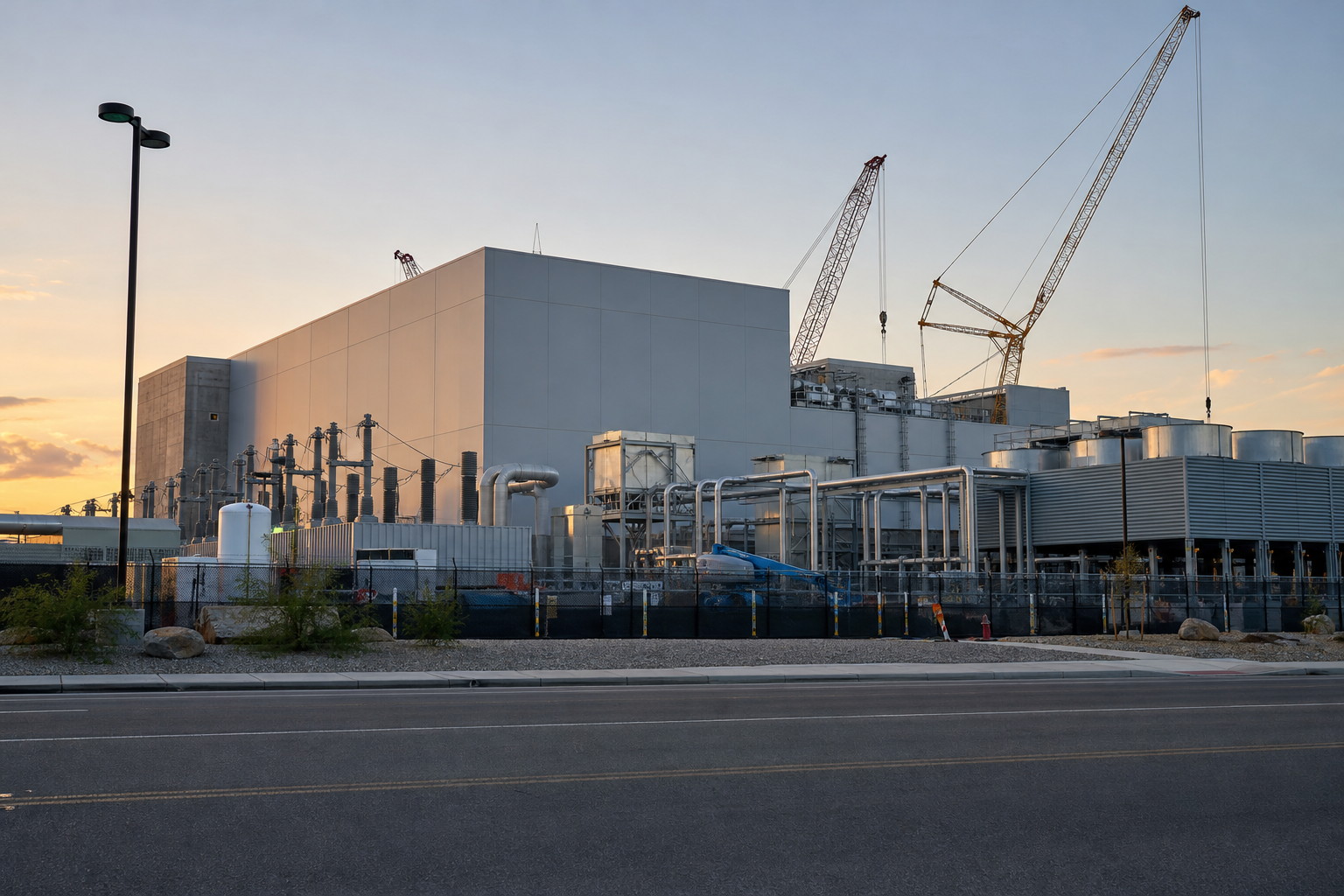
The rapid expansion of artificial intelligence (AI) infrastructure is pushing the boundaries of established funding models. Blackstone President Jon Gray, speaking at the Hong Kong Monetary Authority Global Financial Leaders’ Investment Summit, highlighted that the unprecedented scale of AI capital expenditures is prompting questions about the best way to finance the sector. As spending soars, Gray stated that equity financing will need to play a much larger role to prevent risk concentrations among debt holders.
Rising Pressures on AI Infrastructure Funding
Investment in AI infrastructure, spanning data centers, networks, and supporting assets, has escalated sharply amid surging demand for computing power. One estimate, cited by Pimco CEO Emmanuel Roman and attributed to General Atlantic CEO Bill Ford, puts capital expenditures for AI infrastructure at about $10 trillion over the next five years. Roman compared this projected spending with the global corporate bond market, which he said is roughly $20 trillion. Roman also noted that approximately $550 billion in AI-related debt had been issued so far this year. A Goldman Sachs report, also cited at the summit, estimated that global data center demand will require about $8.5 trillion in capital spending over the next five years.
For lenders, these numbers raise significant concerns. Gray pointed out that as banks and bondholders underwrite increasing amounts of debt linked to the capital-intensive AI infrastructure sector, concentration risks become more acute. Unlike equity investors, who can benefit from a company’s growth, lenders’ returns are largely limited to interest and principal repayments. "There’s going to be more equity needed across this space to keep up with these enormous demands," Gray said.
Shifting Models to Address Limited Debt Appetite
The surging capital requirements and growing size of individual AI infrastructure projects may begin to test the limits of what lenders are willing or able to support. Gray said financing the buildout would require a combination of public markets, banks, and private capital, with companies turning to structured transactions to cap the amount of debt they take on. Cash generated by hyperscale technology companies would also help fund part of the spending, but not enough to meet overall demand.
Roman characterized the scale of required financing as “gigantic,” noting that even current debt and equity issuance may not be enough to absorb the needs of the sector indefinitely. "At some point in time, it’s going to be too much," Roman said, warning that markets could struggle to absorb the full weight of AI-related capital raising if trends persist.
Implications for Market Participants
Gray observed that demand for computing power is “running well ahead of supply.” He added that spending on AI models across Blackstone’s portfolio companies had risen 20-fold in the past year, as these businesses realized financial benefits from uses such as coding, customer engagement, and content creation. Meeting this level of demand is becoming more difficult due to challenges in securing sites, permits, chips, power, and capital.
Despite optimism about the long-term potential of AI infrastructure, summit participants expressed caution about ongoing funding constraints. If debt investors reduce their risk exposure or saturate their capacity, more companies in the sector may be compelled to raise capital through equity rather than debt. The mix of funding sources, including private capital, banks, and public markets, is expected to change as the buildout continues.
The scale of capital required for AI infrastructure, and the ability of financial markets to meet it, will remain central themes for both market participants and the companies driving AI growth. Ongoing developments in bond issuance, equity raisings, and financing structures will offer further signs of whether the market can meet the demands of the AI buildout without significant disruption.
The scale of the AI infrastructure buildout has opened a debate among finance leaders over how much risk markets can absorb and how funding models may need to change.
Source: cnbc.com