AI Capital Concerns Drive Tech Stocks Sharply Lower, Western Digital Drops Despite Strong Results
Tech stocks suffered their steepest fall since June, driven by investor concerns about funding AI expansion and the risk of share dilution among Silicon Valley leaders.
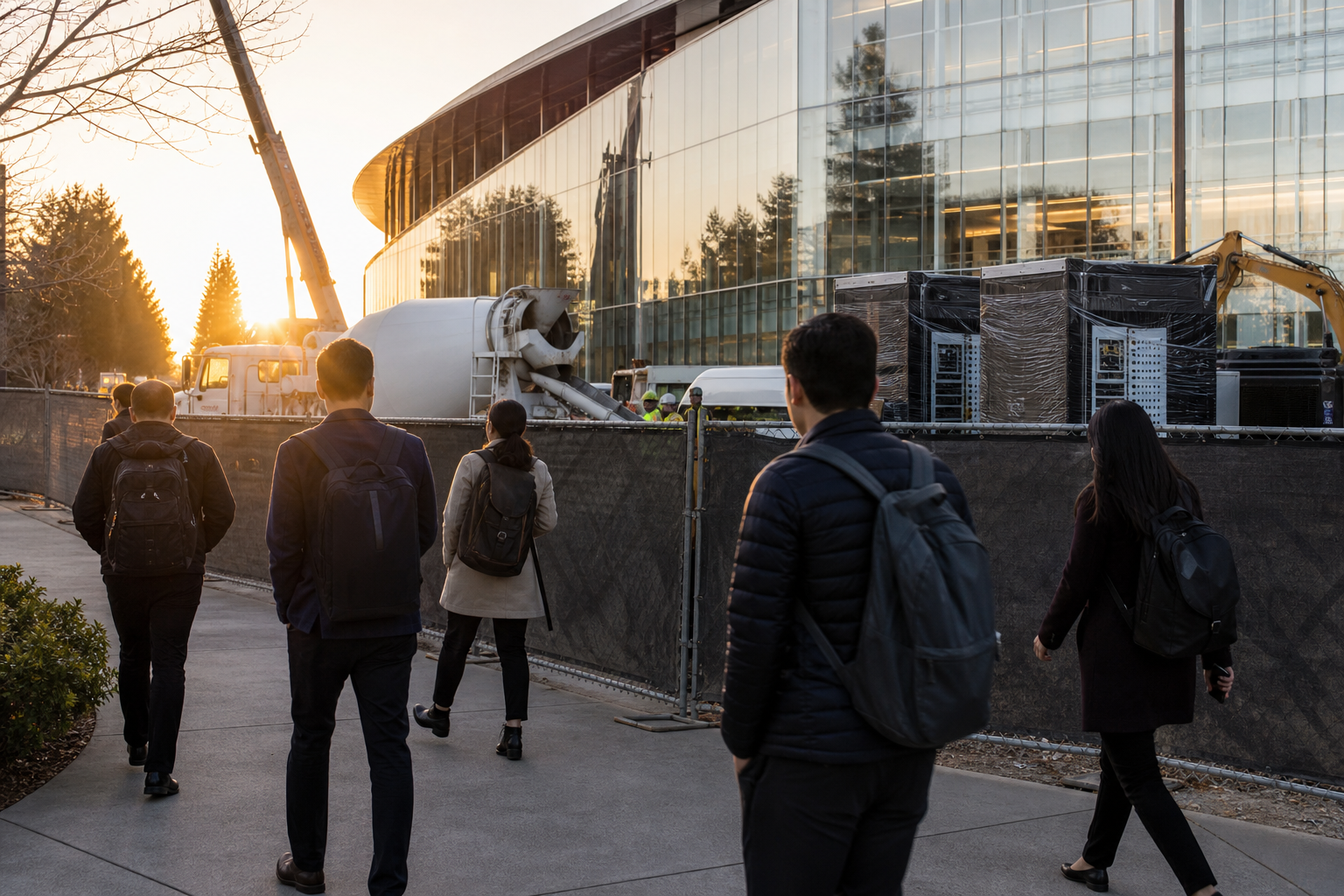
The technology sector experienced a pronounced selloff, with the Nasdaq Composite dropping 2.6%, its worst day since June. According to Investing.com, this decline was driven by growing concerns over how tech giants will fund their expansive artificial intelligence (AI) buildouts. The downturn occurred alongside mixed U.S. stock index futures and heightened risk aversion amid global geopolitical tensions and European bond market disruptions.
Capital Scarcity and Dilution Fears Hit AI Leaders
Meta Platforms’ move to roll out a new class of shares as a strategy to raise funds for AI development highlighted investor concerns about growing pressure on company balance sheets. Like other large-cap technology firms, Meta has planned to spend heavily on AI, but is increasingly reliant on raising cash through new debt or equity offerings. This trend has raised worries about share dilution, weighing on stock valuations. Meta's shares fell 7%, marking the stock's largest single-day decline since July.
Nvidia CEO Jensen Huang told CNBC that there is "a scarcity of capital" for the AI buildout, noting "the demand for capital is much greater than the availability." Nvidia shares declined alongside those of Advanced Micro Devices, and a tracker of the semiconductor industry dropped 6.7%. Analysts at Yardeni Research noted that the once ample free cash flow of these companies has turned negative, forcing them to borrow more, with increasing financing costs intensifying doubts about whether their large investments will generate sufficient returns. They added, "Now, another concern is moving to the forefront: Does enough capital even exist to finance everyone's ambitious AI spending plans?"
Rotation Out of AI-Exposed Names, Even on Strong Earnings
The volatility has extended beyond headline mega-caps. Western Digital, a significant provider of hard drives and memory for AI applications, saw its shares fall by more than 6% in extended trading despite posting solid results. For its fiscal first quarter, Western Digital reported a 28% increase in the blended average selling price per terabyte of storage. Revenue reached $4.38 billion, and profit climbed to $1.78 billion; both figures beat Wall Street estimates. The company’s stock, up over 88% so far this year, still dropped on Friday, as investors rotated out of AI-linked names despite strong results.
French Bonds, Oil and IPOs
The tech pullback is unfolding amid a wider risk-off environment. According to Investing.com, stress in French government bonds, driven by social unrest and fiscal challenges, sent yields sharply higher, and the spread between French and German bonds experienced its biggest daily widening since the early days of the COVID-19 pandemic in March 2020. Although this movement did not trigger a global bond sell-off, investors sought safety in U.S. Treasuries, pushing the benchmark 10-year yield below 5%.
Oil prices have also climbed, staying elevated as geopolitical tensions intensify in the Middle East. Investing.com notes that the U.S. and Israel are reportedly considering new attacks on Iran, while Houthi militants in Yemen have continued strikes in Saudi Arabia. Saudi Aramco ordered the evacuation of its headquarters in Dhahran. By 03:40 ET, Brent crude futures had gained 0.8% to $114.01 a barrel, following a settlement at a five-month high of $113.17 a barrel on Thursday.
IPO activity in the sector is showing increasing strain. South Korea's SK Hynix halted plans for a U.S. initial public offering of its subsidiary Solidigm, citing market conditions and shareholder value. The company said that after considering market factors, it would discontinue its review of a potential pre-IPO and IPO. Reports had indicated that Solidigm was considering a pre-IPO fundraising round of about $3.8 billion, highlighting how risk aversion is weighing on capital-raising efforts in tech hardware.
Capital-raising plans and bond-market stress
Market participants are keeping a close watch on upcoming announcements from major tech companies regarding capital-raising plans and guidance on future investment and dilution. Continued volatility in global bond markets, particularly any spillover from French to other eurozone government debt, may also influence U.S. risk sentiment. For tech hardware firms like Western Digital, AI-related demand remains strong, but share prices are likely to remain sensitive to sector funding concerns. Additional rises in oil prices or upward pressure on yields could further complicate the outlook for highly leveraged industries, and upcoming Federal Reserve commentary and major U.S. employment figures may act as further catalysts.
Source: finance.yahoo.com